
10 Automotive Transmission Service Tips
10 Automotive Transmission Service Tips
Car care is not something you want to take lightly, and a poorly maintained transmission is a prime example of this. If your vehicle has over 130,000 miles and you haven’t had your transmission serviced in over two years, then it’s time to get that taken care of. In this post, we’ll highlight 10 automotive transmission service tips for those who are wondering what they can do to keep their transmission running smoothly.
Automatic Transmission Service tip
Automatic Transmission Service
Regular maintenance is the key to keeping your car running smoothly and avoiding expensive repairs down the road. Part of regular maintenance includes servicing your transmission. Here are some tips on how to keep your transmission in top shape:
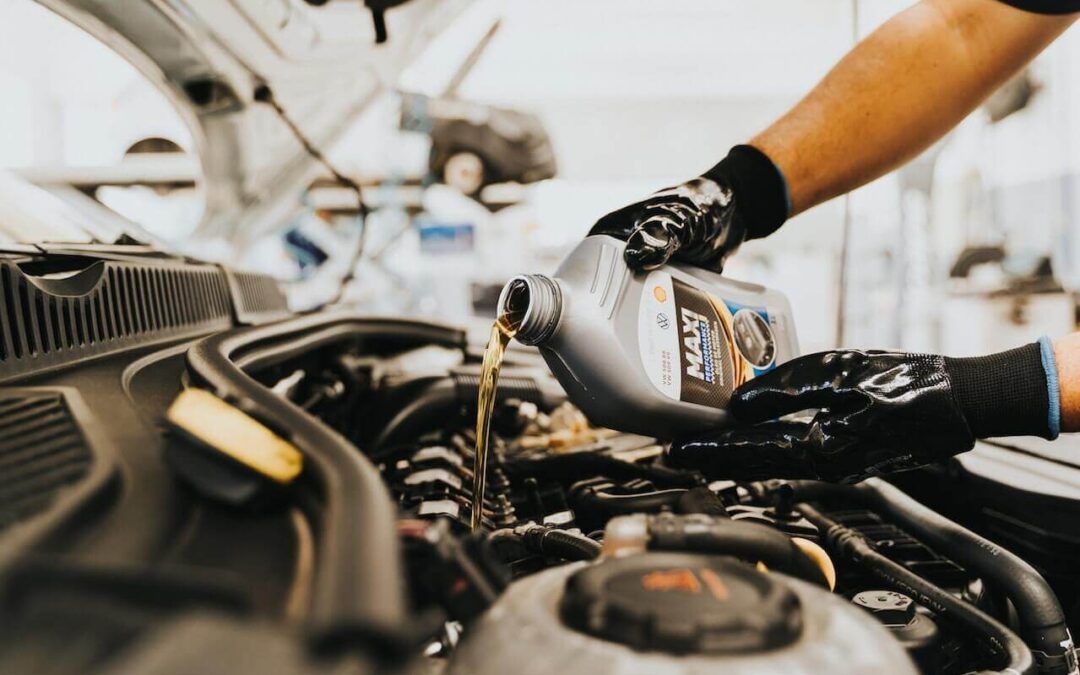
- Check your transmission fluid level regularly and top it off if necessary. Transmission fluid keeps the components of your transmission cool and lubricated, so it’s important to keep it at the proper level.

- Have your transmission flushed and replaced according to the manufacturer’s recommended schedule. This will help prevent sludge buildup and keep your transmission running smoothly.
- If you notice any strange noises or leaking fluids, take your car to a mechanic right away. These could be signs of a serious problem with your transmission that needs to be addressed as soon as possible.
Manual Transmission Service
Just like any other vehicle component, your car’s manual transmission needs regular maintenance and service in order to keep it running smoothly. Over time, the transmission fluid will break down and become less effective at lubricating and cooling the transmission components. This can lead to expensive repairs down the road.
To avoid this, it’s important to have the transmission fluid changed regularly according to your car’s manufacturer’s recommendations. In general, this should be done every 30,000 miles or so. If you do a lot of stop-and-go driving or operate your vehicle in extreme temperatures, you may need to change the fluid more frequently.
When changing the transmission fluid, be sure to use the correct type of fluid as specified by your car’s manufacturer. Using the wrong type of fluid can damage the transmission components.
Replacing the Fluid
Replacing the fluid in your automotive transmission is one of the most important things you can do to maintain its health and prolong its life. Transmission fluid breaks down over time and gets contaminated with metal shavings and other debris, so it needs to be replaced periodically. The frequency with which you need to replace the fluid will depend on the make and model of your vehicle, but it’s generally recommended that you do so every 30,000 miles or so.
To replace the fluid, you’ll need to drain the old fluid out of the transmission and then refill it with new fluid. This can be a messy job, so it’s best to do it in a well-ventilated area. You’ll also need to be careful not to overfill the transmission, as this can cause damage. Once you’ve replaced the fluid, be sure to take your car for a test drive to make sure everything is working properly.
Replacing the Filter
If your car is equipped with an automatic transmission, it likely has a filter to catch debris and contaminants that can damage the transmission. Over time, this filter can become clogged, reducing the efficiency of the transmission. Luckily, replacing the filter is a relatively simple process that you can do yourself.
To start, you’ll need to locate the filter. In most cases, it will be located under the car’s hood, near the transmission. Once you’ve found it, you’ll need to remove the old filter and install the new one in its place. Be sure to consult your car’s owner’s manual for specific instructions on how to do this.
With the new filter in place, you can then fill up the transmission with fresh fluid. Again, consult your owner’s manual for specific instructions on how much fluid to add. Once everything is filled up and back in place, you should be good to go!
Replacing the Torque Converter Clutch
If your car’s transmission is slipping or not engaging properly, it may be time to replace the torque converter clutch. This is a relatively simple job that can be done at home with the right tools and a little know-how. Here’s how to do it:
- Jack up the car and support it securely on jack stands. Place a drain pan under the transmission to catch any fluid that may spill out during the repair.
- Disconnect the negative battery cable to prevent electrical shocks.
- Remove the transmission oil pan and drain the fluid into the pan.
- Disconnect the torque converter from the flexplate by removing the bolts that hold it in place. Use a ratchet and socket to remove these bolts.
- Slide the torque converter out of the transmission housing and set it aside. Be careful not to damage any of the internals as you remove them.
- Insert a new torque converter into place, being careful not to damage any of the components as you do so. Reconnect it to the flexplate using new bolts, and tighten these bolts down securely using a ratchet and socket.
- Reinstall the transmission oil pan and fill it with fresh transmission fluid according to your car’s specifications.
- Start the engine and check for leaks. If all looks good, take your car for a test drive to make sure
Checking the Fluid Condition and Level
If your car has an automatic transmission, checking the fluid condition and level is one of the most important things you can do to keep it running smoothly. Here are some tips on how to check your transmission fluid:
- Park your car on a level surface and turn off the engine.
- Locate the dipstick. On most cars, it will be near the front of the engine, near where the radiator hose connects to the engine.
- Pull out the dipstick and wipe it clean with a rag.
- Insert the dipstick back into the engine and pull it out again. This time, check the level of fluid on the dipstick. It should be between the ‘full’ and ‘low’ marks on the dipstick.
- If the fluid is low, add more transmission fluid until it reaches the ‘full’ mark on the dipstick.
- If you see any metal shavings or debris on the dipstick, or if the fluid looks burnt or discolored, then there may be a problem with your transmission and you should have it checked by a mechanic as soon as possible
The Drive Train System
The drive train system of a vehicle is responsible for providing power to the wheels. The most common type of drive train system is a front-wheel drive, which sends power from the engine to the front wheels. There are also rear-wheel drive and all-wheel drive systems.
The main components of the drive train system are the engine, transmission, driveshaft, and axles. The engine produces the power that is sent to the transmission. The transmission then sends this power to the driveshaft, which turns the axles and ultimately powers the wheels.
Regular maintenance of your drive train system is important in order to keep your vehicle running smoothly. Some things you can do to keep your drive train in good shape include changing the oil regularly, checking fluid levels, and having regular tune-ups.
Warning Signs of a Problem with a Car’s Transmission
If your car is having trouble shifting gears, it may be a sign that there is a problem with the transmission. Other warning signs of a problem with a car’s transmission include:
- Leaking fluid
- Grinding or shaking when shifting gears
- Burning smell
- Check engine light is on
If you notice any of these warning signs, it’s important to take your car to a mechanic or transmission specialist right away. They will be able to diagnose the problem and let you know what needs to be done to fix it.
Preventative Measures
The best way to avoid transmission problems is to keep your transmission in good working condition. You can do this by regularly servicing your transmission according to the manufacturer’s recommendations. This will help to prevent minor issues from developing into major problems.
If you notice any unusual sounds or smells coming from your transmission, have it checked out by a professional as soon as possible. Ignoring potential transmission problems can lead to more expensive repairs down the road.
To help keep your transmission in top condition, make sure you use the right type of oil and change it at the recommended interval. Using a lower-quality oil or waiting too long between changes can cause serious damage to your transmission.
It’s also important to avoid putting too much strain on your transmission. This means driving at moderate speeds and avoiding aggressive driving habits like sudden starts and stops, hard acceleration, and excessive idling. If you frequently tow heavy loads or drive in stop-and-go traffic, have your transmission checked more often to ensure it’s not under undue stress.
Trust Aloha Auto Repair in Allen, TX
When your vehicle starts jerking, you will need experts dedicated to transmission services, and you can find that at Aloha Auto Repair. We care about keeping your car on the road for a long time to come.
Our technicians triple-check every job before they turn it in. If we find anything that is below par, we will start from scratch until it meets our standards of quality. The transmission is like the heart of the engine and is responsible for supplying power to the other parts of the vehicle. It has 800 different parts and only expert mechanics (like the Aloha Auto Repair technicians) can correctly diagnose and help you work on it in an effective and efficient way.
Transmission service is routine maintenance aimed at inspecting the health of your vehicle’s transmission while also performing a transmission fluid flush- i.e. the removal of the transmission fluid through a drain plug after which new transmission fluid is added (and cleaning solutions). These are done after grime and sludge have been removed using a special machine. Contact us for a high-quality service!